How Online Trading Platforms Empower Traders

Online trading has revolutionized the way individuals participate in financial markets, providing tools and resources that empower traders to make informed decisions and execute strategies efficiently. Modern trading platforms are designed to cater to both beginners and experienced traders, offering accessibility, convenience, and advanced features that enhance overall trading performance.
One of the primary ways online trading platforms empower traders is through accessibility. With just an internet connection, users can trade a wide range of financial instruments, including stocks, forex, commodities, indices, and cryptocurrencies. This level of access eliminates the need for traditional intermediaries, allowing traders to respond quickly to market movements and seize opportunities in real time. The ability to monitor multiple markets simultaneously gives traders a comprehensive view of global financial trends, enhancing decision-making capabilities.
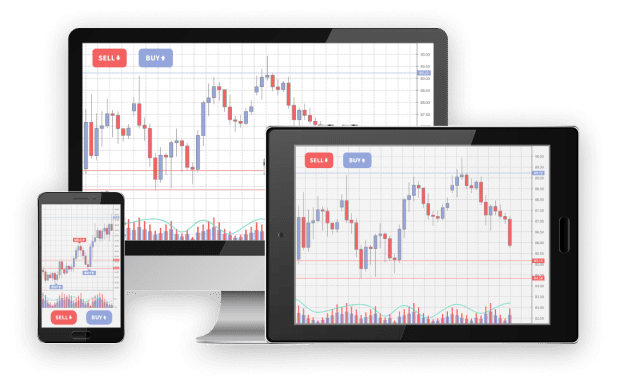
Advanced charting and analytical tools are another critical feature. Trading platforms provide customizable charts, technical indicators, and pattern recognition tools that help traders analyze market trends and forecast potential price movements. Indicators such as Moving Averages, RSI, and MACD offer insights into momentum and trend strength, while chart patterns help anticipate reversals or continuation scenarios. By leveraging these tools, traders can identify entry and exit points with greater precision and confidence.
Order execution and flexibility also empower traders. Platforms support various order types, including market, limit, stop-loss, and take-profit orders, allowing for strategic trade management and risk mitigation. One-click trading and real-time execution ensure that trades are placed quickly and efficiently, which is particularly important in fast-moving markets. Additionally, features like trailing stops help secure profits while allowing positions to benefit from favorable market movements.
Mobile accessibility further enhances trader empowerment. With mobile applications, traders can monitor markets, manage trades, and receive alerts from anywhere, ensuring they remain connected even when away from their computers. Push notifications for price movements, economic events, or order execution keep traders informed and enable timely action.
Finally, educational resources and support features on many platforms provide added empowerment. Tutorials, webinars, and demo accounts allow traders to develop skills, test strategies, and gain confidence before committing real funds. Reliable customer support ensures that technical or account-related issues are resolved quickly, minimizing disruptions to trading activities.
In conclusion, online trading platforms empower traders by providing accessibility to global markets, advanced analytical tools, efficient order execution, mobile connectivity, and educational support. These features enable traders to make informed decisions, manage risk effectively, and optimize trading performance, creating an environment where both beginners and experienced traders can thrive.
CFD Trading Statistics: What Modern Investors Need to Know

Contract for Difference (CFD) trading has emerged as one of the most discussed investment strategies among retail traders. Recent market data reveals fascinating trends that every cfd trading investor should understand before entering this complex financial landscape.
The Growing CFD Market
Global CFD trading volumes have experienced remarkable growth over the past five years. Market research indicates that daily CFD trading volumes now exceed $2 trillion worldwide, representing a 35% increase since 2019. This surge reflects growing investor appetite for flexible trading instruments that don’t require owning underlying assets.
European markets dominate CFD activity, accounting for approximately 60% of global trading volume. The United Kingdom leads with 28% of total market share, followed by Germany at 18% and France at 14%. These statistics highlight regional preferences for leveraged trading products.
Trader Demographics and Behavior
Recent surveys reveal that 73% of CFD traders are between ages 25-45, with millennials representing the largest demographic segment. Surprisingly, 42% of active CFD traders hold university degrees, challenging stereotypes about speculative trading participants.
Average position sizes have decreased significantly. Current data shows that 68% of CFD trades involve positions under $1,000, compared to 52% in 2020. This trend suggests that smaller retail investors are increasingly participating in CFD markets.
Popular Asset Classes
Forex pairs remain the most traded CFD instruments, comprising 48% of total trading volume. Stock indices follow at 31%, while individual equity CFDs account for 16%. Commodity CFDs represent just 5% of trading activity, indicating concentrated interest in currency and equity markets.
Technology stocks feature prominently in CFD trading statistics. Apple, Tesla, and Microsoft consistently rank among the top five most traded equity CFDs, reflecting broader market trends and investor interest in growth stocks.
Risk and Performance Metrics
Industry-wide statistics reveal that 76% of retail CFD accounts experience losses over 12-month periods. This figure has remained relatively stable across different market conditions, emphasizing the inherent risks associated with leveraged trading.
Average holding periods for CFD positions have shortened dramatically. Current data shows that 58% of CFD trades are closed within 24 hours, while 82% are closed within one week. This rapid turnover indicates that most traders use CFDs for short-term speculation rather than long-term investment strategies.
Regulatory Impact
New regulatory frameworks have significantly influenced CFD trading patterns. Leverage restrictions implemented across major markets have reduced average position sizes by 23% since 2018. These changes aim to protect retail investors while maintaining market liquidity.
Understanding the Numbers
CFD trading statistics paint a picture of a rapidly evolving market with both opportunities and significant risks. While growing participation rates demonstrate increased accessibility, the high percentage of losing accounts underscores the importance of proper education and risk management for potential investors.

How to Manage Risks When Trading CFDs


CFDs (Contracts for Difference) have become a popular choice for traders looking to profit from market movements without owning the assets. However, with high reward comes high risk. Managing these risks is crucial for anyone venturing into cfd trading. Here’s how you can protect yourself while aiming for profitable outcomes.
Understand Leverage
One standout feature of CFD trading is leverage, which allows you to control a large position with a relatively small amount of capital. While this can amplify gains, it can also magnify losses. To manage this risk, always choose leverage carefully. Start with a lower leverage ratio until you’re more experienced and confident. Remember, even small market fluctuations can have a significant impact when leverage is involved.
Set Stop-Loss Orders
Stop-loss orders are a non-negotiable tool for successful CFD trading. This mechanism automatically closes your position once the price reaches a predetermined level, limiting losses. Be strategic in setting your stop-losses—too tight, and normal market fluctuations might trigger it; too loose, and it may not serve its purpose. Finding the right balance is key.
Diversify Your Portfolio
Diversification is a time-tested risk management strategy, and it applies to CFD trading too. Spreading your investments across different asset classes—such as stocks, commodities, currencies, or indices—can minimize your exposure to a single, highly volatile market. While diversification doesn’t eliminate risk, it reduces the impact of a poor-performing asset.
Trade with a Plan
Emotion-driven decisions are one of the biggest risks when trading CFDs. Having a clear trading plan that outlines your goals, entry and exit points, and risk tolerance will help you stay disciplined. Stick to your trading plan even when the market moves unpredictably to avoid impulsive decisions that could lead to substantial losses.
Monitor the Market
CFD markets can be highly volatile, and prices can change rapidly. Regularly monitor news, market trends, and economic data that could impact your trades. Staying informed will help you make educated decisions and anticipate potential risks before they materialize.
Final Thoughts
Managing risk is not just important—it’s essential for long-term success in CFD trading. By carefully using leverage, setting stop-loss orders, diversifying, trading with a plan, and staying informed, you can take advantage of the opportunities in CFD trading while protecting yourself from unnecessary losses.

Close