Simulating Heat Transfer Using Computational Fluid Dynamics

Contracts for Difference (CFDs) provide traders with a flexible way to speculate on price movements across different asset classes. Here’s a detailed look at cfd how it works and what you should know before getting started.
How CFD Trading Works:

Opening a Position: When trading CFDs, you choose an asset (e.g., a stock or commodity) and decide whether to buy (go long) or sell (go short) based on your market expectations.

Price Movements: Your profit or loss is determined by the difference between the price when you enter the contract and when you exit it. If the price moves in your favor, you make a profit; if it moves against you, you incur a loss.

Leverage: CFDs offer flexible leverage, allowing you to control a larger position with a smaller initial investment. This can magnify potential returns, but it also increases risk, so risk management is crucial.

Costs: Trading CFDs involves costs such as spreads (the difference between buy and sell prices), overnight financing charges for holding positions overnight, and potentially other fees set by the broker.

Advantages of CFD Trading:

Diverse Asset Classes: CFDs cover a broad range of markets, including stocks, commodities, indices, and currencies, providing ample trading opportunities.

Flexibility: You can profit from both rising and falling markets by taking long or short positions, unlike traditional investing where you can only profit from rising prices.

Risks to Consider:

Market Volatility: Price movements in the underlying assets can be unpredictable, leading to potential rapid and substantial losses.

Leverage Risk: While leverage can amplify profits, it also increases the size of potential losses.

Counterparty Risk: CFD trading involves trading with a broker, so their financial stability and reliability are critical.

Conclusion:

CFDs are sophisticated financial instruments that offer traders flexibility and the ability to speculate on diverse markets. However, they also come with inherent risks that traders must understand and manage effectively. By grasping the mechanics of CFD trading and its associated risks, traders can make informed decisions to potentially capitalize on market opportunities while safeguarding their investments.
CFD Trading Strategies: From Scalping to Position Trading

Contracts for Difference (CFDs) have emerged as a popular financial instrument, offering investors a flexible approach to trading various assets without owning them outright. In recent years, the popularity of CFD how it works has surged, driven by several factors reshaping the financial markets.

One key trend in the rise of CFDs is the increasing demand for diversified investment options. Investors are seeking opportunities beyond traditional asset classes like stocks and bonds. CFDs provide access to a wide range of markets, including indices, commodities, currencies, and cryptocurrencies, allowing traders to capitalize on diverse market movements.

Another significant factor contributing to the growth of CFDs is the appeal of flexible leverage. Unlike traditional trading methods, CFDs offer traders the flexibility to adjust leverage according to their risk appetite and trading strategy. This feature allows traders to amplify their potential returns while managing risk effectively, making CFDs an attractive option for both novice and experienced traders.

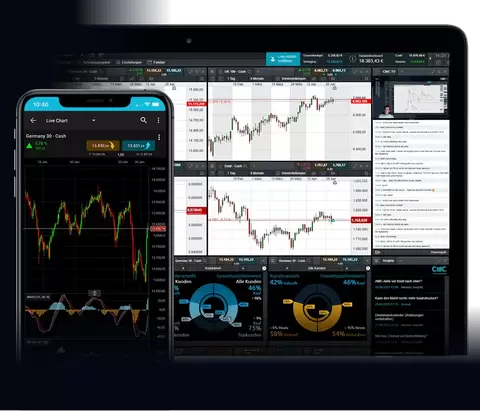
Moreover, advancements in technology have played a crucial role in the expansion of CFD trading. Online trading platforms equipped with sophisticated tools and real-time market data have made it easier for traders to execute trades and monitor their positions. Mobile trading apps have further enhanced accessibility, enabling traders to stay connected to the markets anytime, anywhere.

Despite these opportunities, it’s essential for traders to approach CFD trading with caution. While flexible leverage can magnify profits, it also amplifies losses, emphasizing the importance of risk management strategies. Additionally, CFD trading carries inherent risks, including market volatility and overnight financing costs, which traders should carefully consider before participating in the markets.

In conclusion, the rise of Contracts for Difference (CFDs) reflects the evolving landscape of modern finance, offering traders diverse opportunities to capitalize on market movements. With the right approach and risk management strategies, CFDs can be a valuable addition to an investor’s toolkit, providing access to a wide range of markets and the flexibility to adapt to changing market conditions.

Close